
Community
A Foster Child Can Be Surrounded by Adults and Still Feel Alone. Who Makes Sure They Are Heard?
Bailey McCoy’s account raises questions about how foster children’s concerns are heard, how care is monitored and whether protections reach children in everyday life.
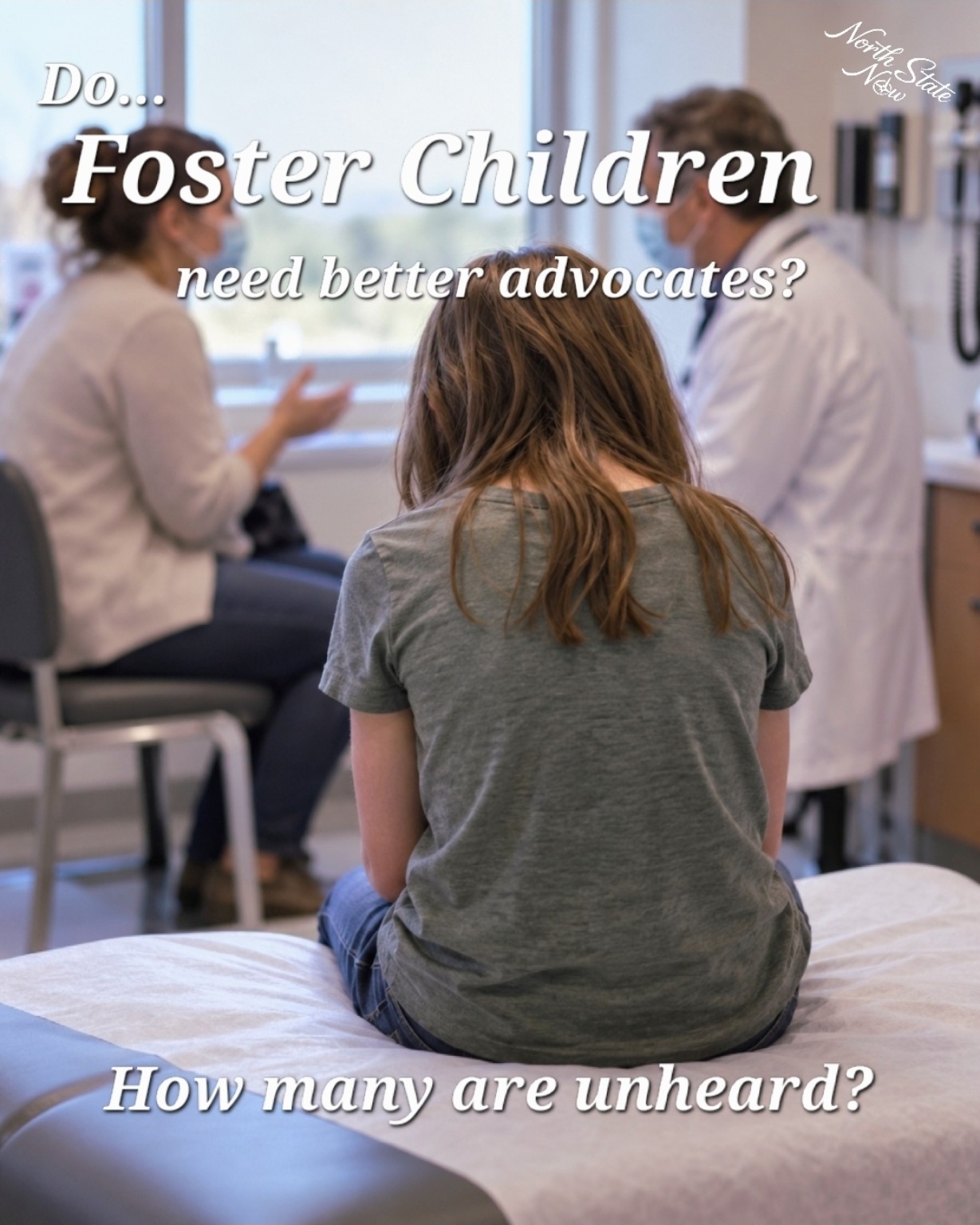
Imagine being 5, 10 or 15 years old, entering foster care and trying to explain to unfamiliar adults why you are hurting. You need somewhere safe to live. You need stability. And you need someone you can trust to listen, especially when you say something is wrong.
In a recent interview with KRCR News, Red Bluff resident Bailey McCoy described feeling that her concerns went unheard. McCoy told KRCR she entered foster care in 2022 and moved through temporary homes before being placed with her sister’s stepmother. She described that placement as chaotic, controlling and unsupportive. She said her emotional and behavioral struggles were met with different psychiatric medications, while her concerns about the home itself went unaddressed. She also said she was considered a higher level of care case, but sometimes had to purchase her own food and hygiene products.
After turning 18, McCoy entered transitional housing through extended foster care. She told KRCR she tapered off her medications and is now medication free. She credits leaving the earlier environment with helping her feel better.
Her story raises an important question: When a foster child says their surroundings are hurting them, who makes sure someone looks closely at those surroundings?
There is also a financial part of this story that deserves a clear explanation. California assesses care and supervision across five areas: daily living, emotional and behavioral support, education, health, and family connections. These are five assessment areas, rather than five payment tiers. The purpose is to match financial support with the care being provided for the child.
According to the department’s response reported by KRCR, a psychiatric prescription does not automatically increase a foster care payment. The state’s assessment does, however, consider responsibilities such as administering medication, watching for side effects and reporting those effects to a doctor. Those duties can affect the health score used in determining payments. That makes accountability important.
Who checks that the care being funded is actually reaching the child? Who makes sure their daily needs are being met and their concerns are being addressed?
California has protections meant to help. Young people in foster care have rights to understand their treatment, have risks and benefits explained, speak to the judge about their medication and have an attorney separate from their parents and the county, but are they as children truly able to advocate for themselves? The state’s medical guidance also recognizes that trauma, relationships and the home environment matter.
Understanding a child may take time and trust, including talking privately without caregivers present when appropriate. But having rights on paper and feeling able to use them can be very different experiences. Does a child know who to call? Do they feel safe speaking honestly? When they raise a concern, does someone follow through?
Past oversight has found gaps. A federal audit published in 2023 identified missing medication records and court authorization documentation in California foster care cases. The federal inspector general now lists all four recommendations from that audit as implemented, closing them in July 2026. Those corrective steps matter. So does making sure protections work in a child’s everyday life.
How many other young people have felt the way McCoy described? How many have tried to explain that something was wrong, without feeling anyone understood? We do not have a number that answers those questions. We should still be asking how children in those situations are identified and helped.
Medication can be an important part of appropriate care. Children also need safety, support and someone who follows up when they say they are struggling. Someone who asks how they feel. Someone who notices changes. Someone who makes sure their concerns reach the people making decisions about their lives.
Fostering a child or children is a tremendous job that demands our recognition and people who take it on should be appreciated. That being said and recognized, how many could possibly be in bad situations and being taken advantage of or slipping through the cracks unknowingly?
A child should not have to wait until adulthood to feel heard. For every young person who speaks publicly, how many are still trying to find an adult they trust enough to tell? And when they do speak, are we listening?
Story By North State Now
Photo is for illustration purposes only.